-
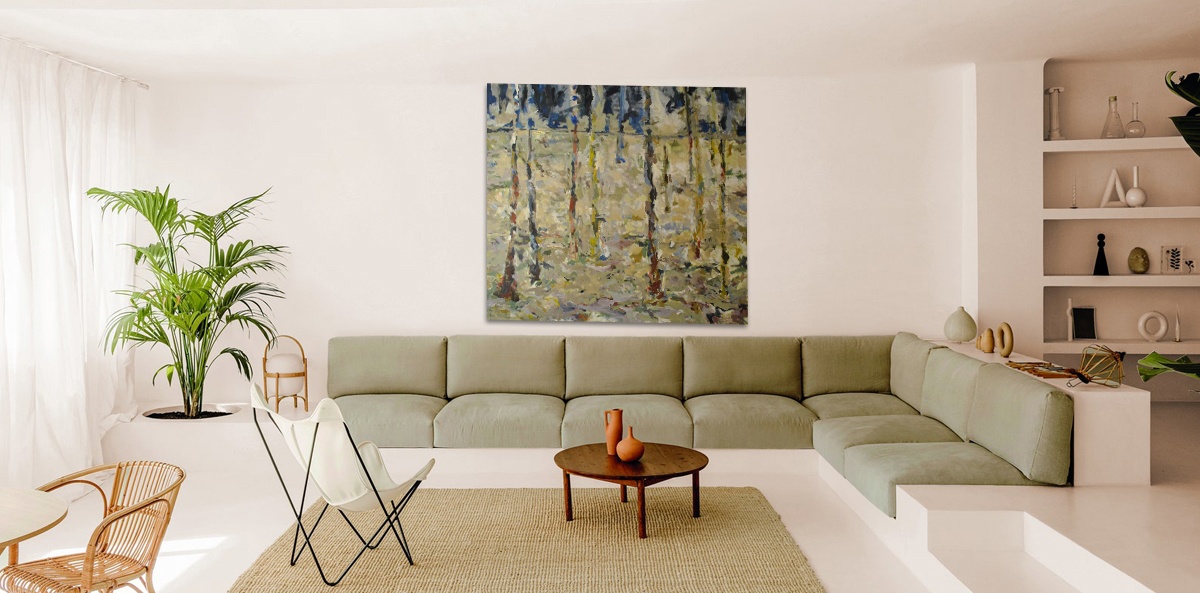 Coming and going 3 – Acrylic on canvas – 61 1/32 x 68 ½ in – 2012 – Private collection
 -
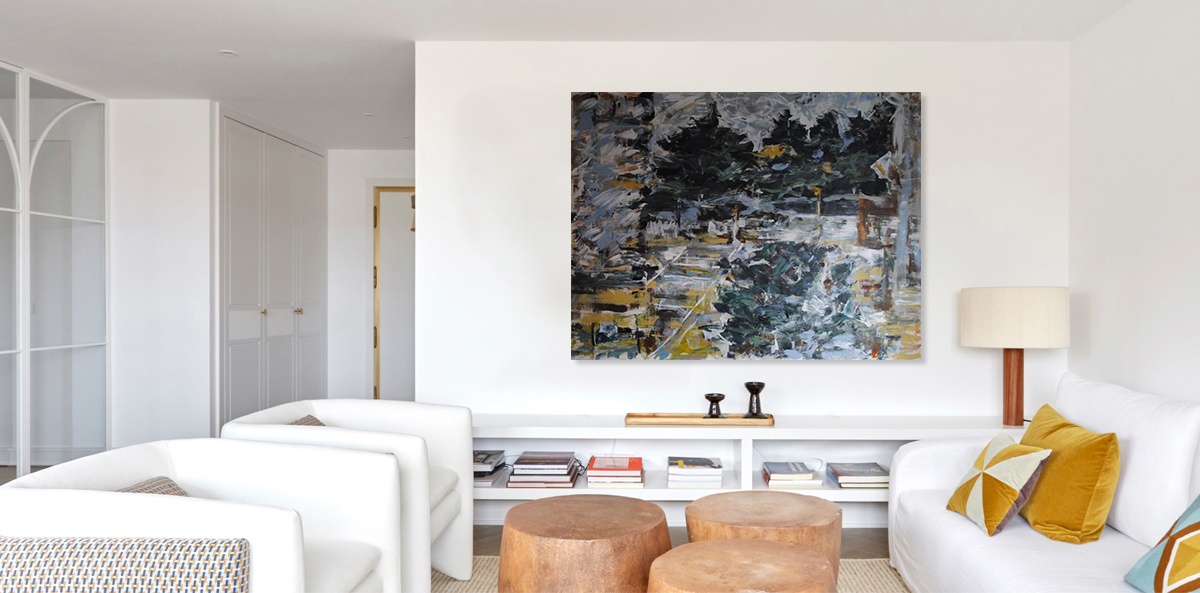 Coming and going 2 – Acrylic on canvas – 59 1/16 x 78 47/64 in – 2012 – Private collection
 -
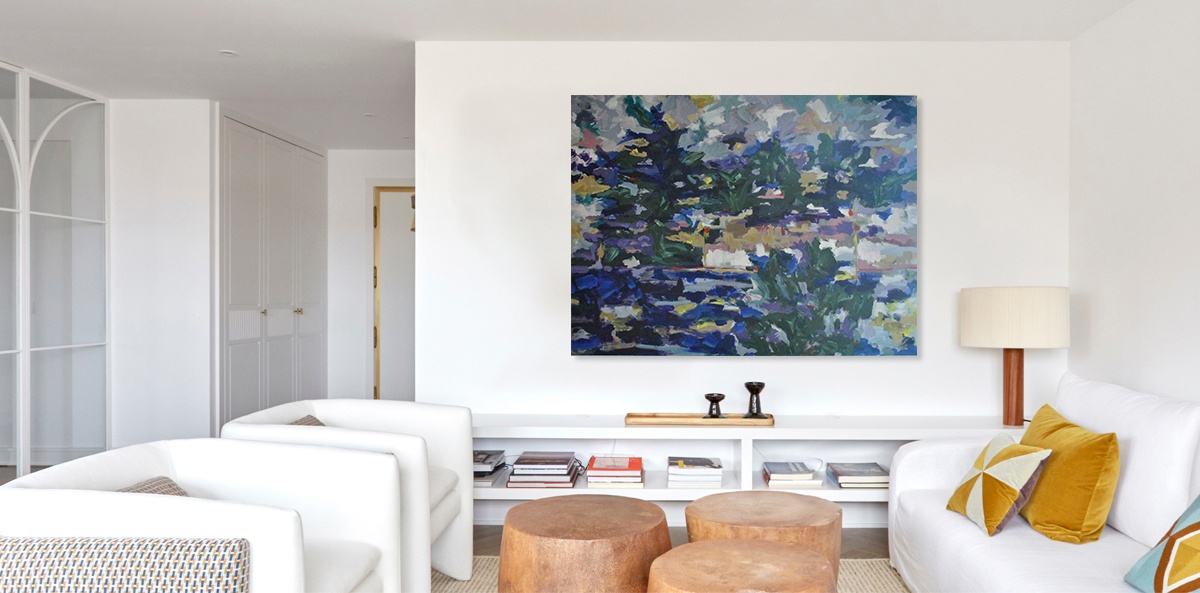 Coming and going 6 – Acrylic on canvas – 59 1/16 x 78 47/64 in – 2012 – Private collection
 -
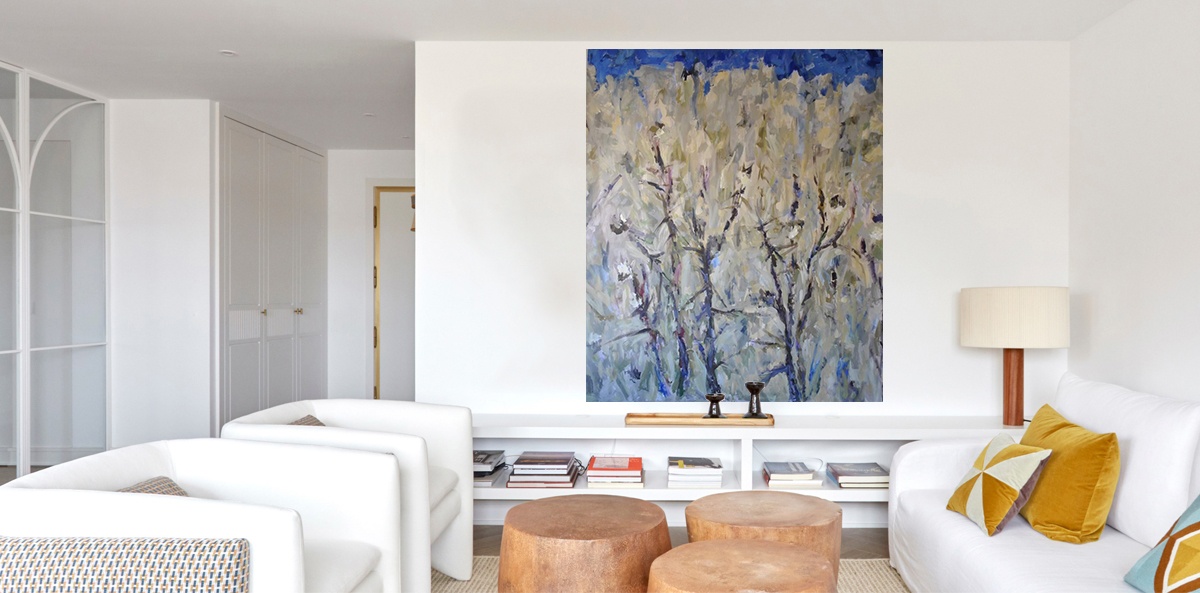 Coming and going 7 – Acrylic on canvas – 64 9/16 x 55 ⅛ in – 2012
 -
 Coming and going 2 – Acrylic on canvas – 59 1/16 x 78 47/64 in – 2012 – Private collection
 -
 Coming and going 3 – Acrylic on canvas – 61 1/32 x 68 ½ in – 2012 – Private collection
 -
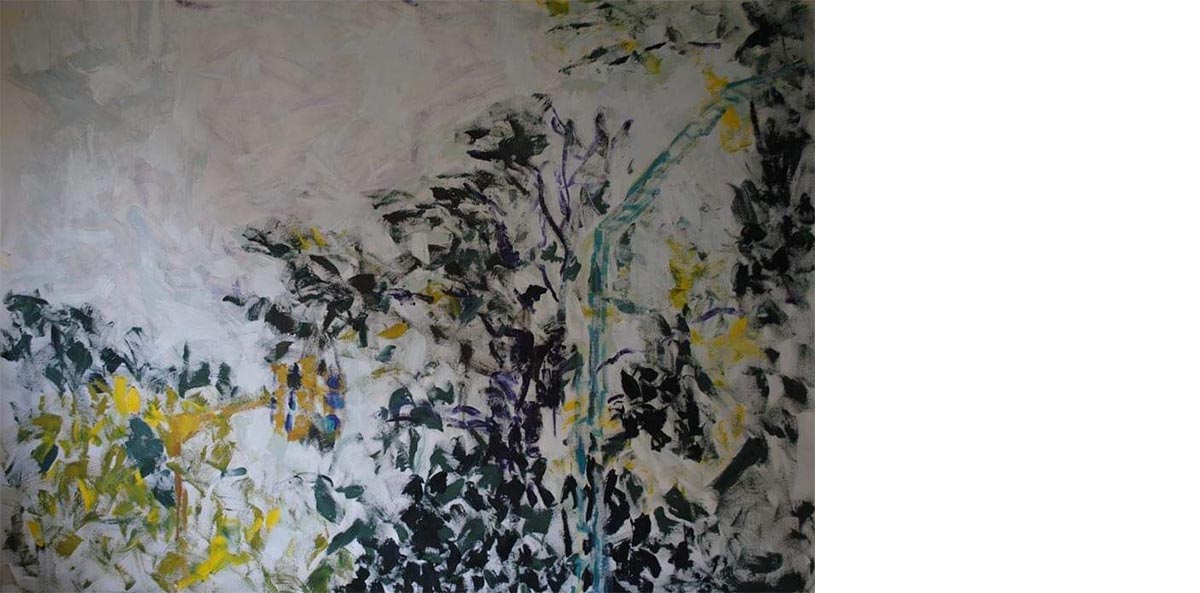 Coming and going 4 – Acrylic on canvas – 59 1/16 x 78 47/64 in – 2012
 -
 Coming and going 5 – Acrylic on canvas – 55 ⅛ x 70 55/64 in – 2012
 -
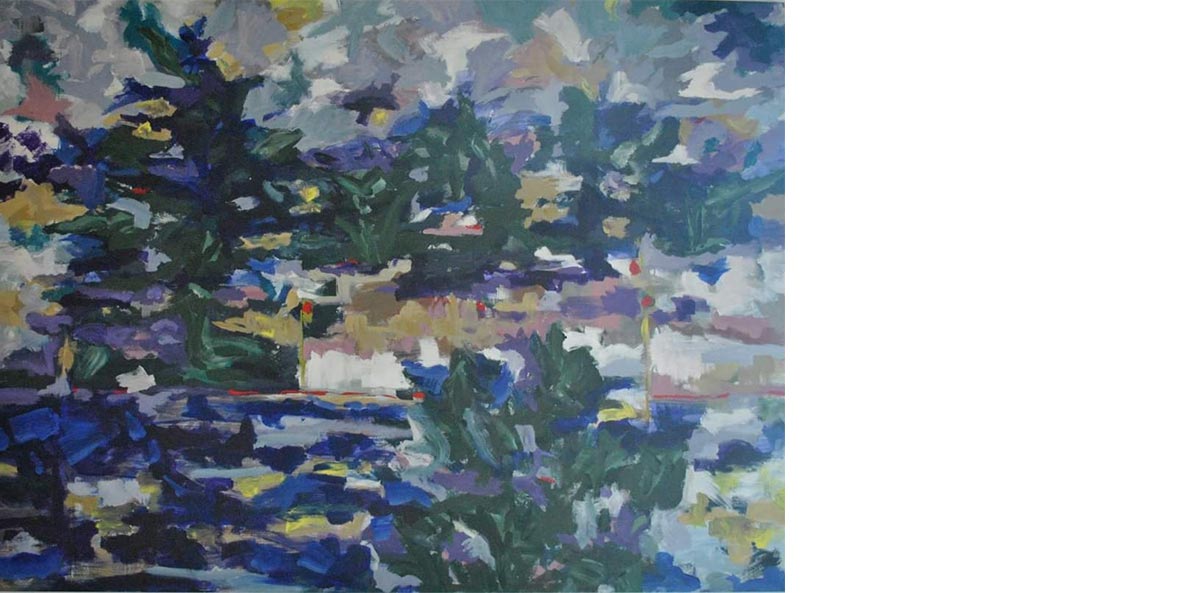 Coming and going 6 – Acrylic on canvas – 59 1/16 x 78 47/64 in – 2012 – Private collection
 -
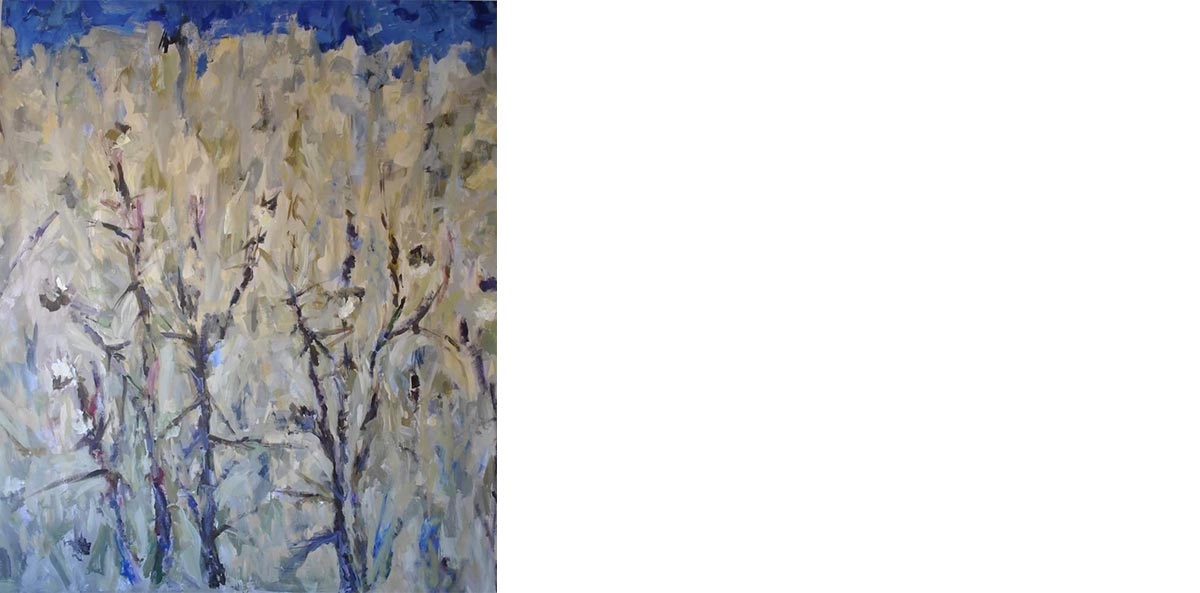 Coming and going 7 – Acrylic on canvas – 64 9/16 x 55 ⅛ in – 2012
 -
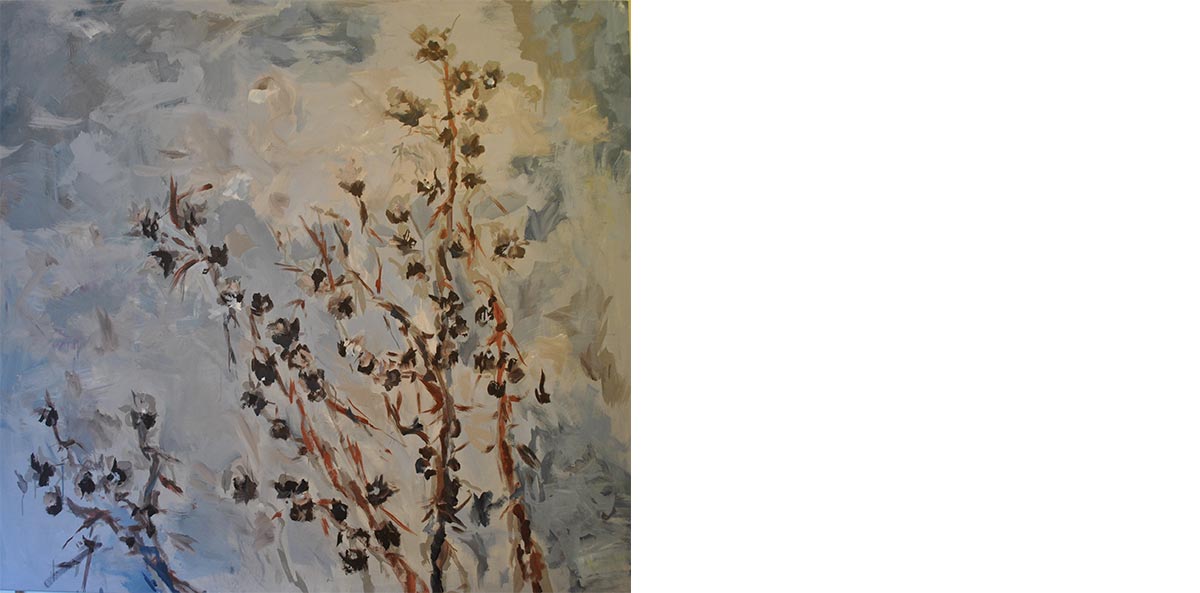 Coming and going 8 – Acrylic on canvas – 62 63/64 x 58 17/64 in – 2012 – Private collection
Coming and Going
Florencia Sabattini’s paintings have developed, in the last two years, we could say, in a vegetal way. Don’t misunderstand, I ask you. When I say vegetable, I mean that the trees and vegetation that populate her paintings, they rise up in search of light, purify the air, have a beauty that can sometimes be rough, with thorns that defend, but they are perceived as necessary, summoning, and, if I may be anachronistic, beautiful beyond superficial prettiness.
Rooted in their main habitats, the city of Buenos Aires and the countryside in Entre Ríos, these paintings establish a dialogue rich in counterpoints and complementarity: the city traffic of the urban landscape contrasts with the meditative solitude of the thistles of Entre Ríos, thistles that perhaps symbolize introspection, the soul fleeing into the desert to find the spirit.
From a strictly pictorial point of view, these works could be linked, on the one hand, to certain other works produced by the late 20th century Monet, and on the other, to certain more contemporary expressionist glimpses. These links, which I venture in a personal capacity, do not stem from an imitative influence, but are rather the traces, an air of a family to which one belongs in one’s own right, a legitimate consanguinity, not at all impostured. An attitude of humility in front of the work is also remarkable (that excellent virtue, so undervalued in our times), humility guided by the deep intuition that art is a search for the good and beautiful in ourselves and in the terrible world that surrounds us, a lack of pride that can be appreciated in the frankness of her pictorial search, producing real, vital works. Poetic without pretension. Fresh air, which those who contemplate and understand are grateful for.
Roberto Scafidi,
Buenos Aires, March 2014